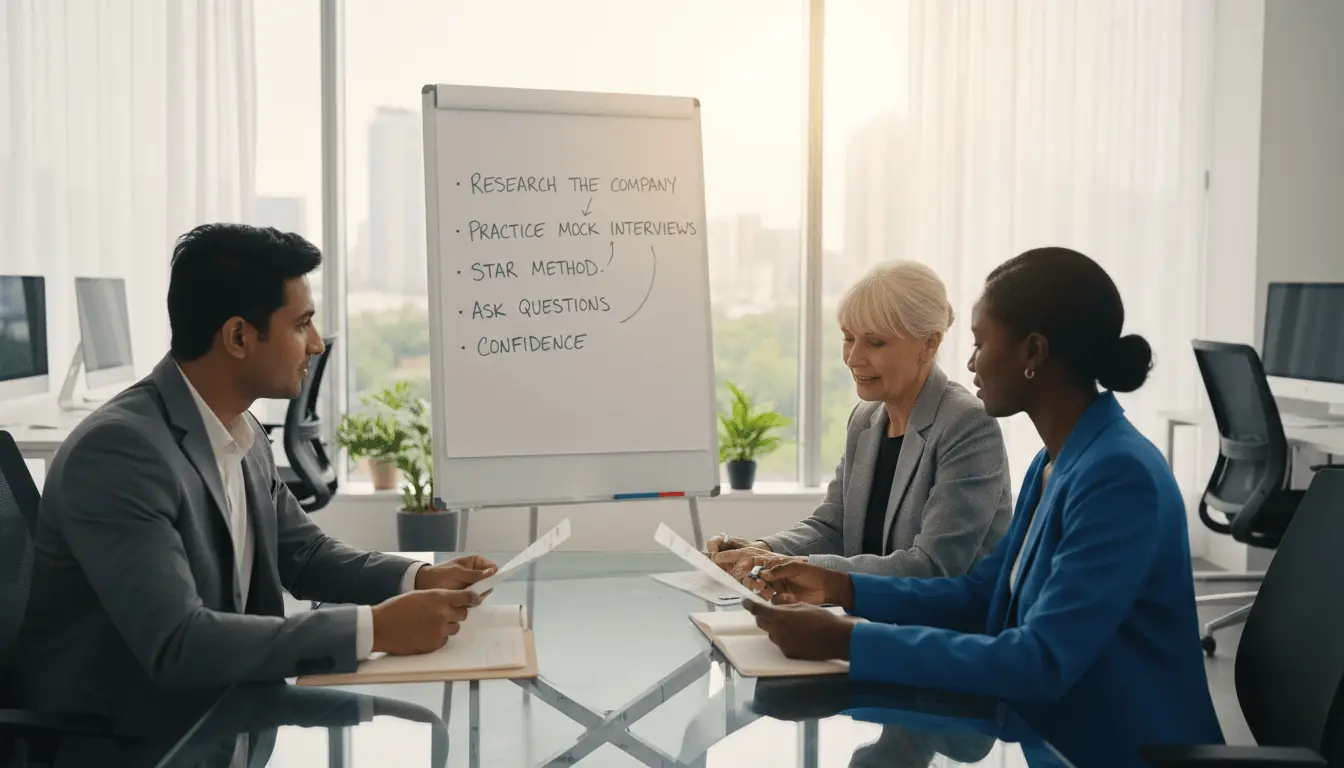

Ace Your Next Interview with These HR Interview Questions
Did you know many hiring managers form a lasting opinion about a candidate in under two minutes? This startling fact highlights how critical first impressions are in the modern hiring process.
Thorough preparation is the key to making those moments count. It allows you to demonstrate your qualifications, skills, and personality effectively to potential employers.
In a competitive job market, standing out is essential. One powerful way to enhance your resume is by earning an industry credential like the HCRI Human Resource Associate Professional Certificate.
Professionals in human resources use the meeting to learn about your background. They also want to see how you think through various professional situations.
You will likely encounter a wide range of topics for discussion. These can span from standard topics to those very specific to the role you want.
Being fully prepared ensures you walk into that room informed and confident. It transforms a daunting conversation into a powerful opportunity to advance your career.
Key Takeaways
- First impressions in a hiring meeting are formed incredibly quickly.
- Comprehensive preparation is the foundation for effectively showcasing your skills.
- Industry-recognized credentials can give your application a significant advantage.
- Hiring professionals evaluate both your past experience and your problem-solving approach.
- Expect a mix of general and position-specific discussion points.
- Confidence comes from being thoroughly informed about the company and the role.
- Every strategic advantage matters in today's competitive landscape for jobs.
Introduction to HR Interview Questions
A structured hiring conversation serves as the gateway to securing top talent for any organization. This initial dialogue is more than a simple chat. It is a critical component of the selection process.
Overview and Importance of HR Interviews
A strong hiring process helps teams make informed decisions. It also sets new employees up for success in their roles. Whether screening entry-level applicants or seasoned professionals, well-designed discussion points reveal an individual's potential.
Setting the Stage for Success
An inconsistent approach may lead to vague responses. This makes it harder to evaluate people accurately. A well-planned set of inquiries creates a level playing field.
It ensures hiring teams can identify the best fit for the company's culture and needs. The right assessment tools are vital for this stage.
| Practice | Impact on Hiring Team | Impact on Applicant |
|---|---|---|
| Using standardized questions | Enables fair comparison across candidates | Provides clear expectations and reduces anxiety |
| Asking role-specific scenarios | Assesses practical skills and problem-solving | Demonstrates direct job relevance and preparedness |
| Allowing unstructured conversations | May lead to biased or inconsistent decisions | Can create confusion and uneven evaluation |
| Incorporating cultural fit questions | Identifies alignment with company values | Helps the individual gauge team compatibility |
| Providing timely feedback | Improves process efficiency for future hires | Enhances the candidate experience, regardless of outcome |
This comparison highlights the key contrasts between effective and ineffective methods. A deliberate approach benefits everyone involved.
Understanding the Role of HR
Beyond hiring, the human resources role encompasses a wide array of responsibilities that directly impact company culture and employee well-being. This department is the central engine for managing an organization's most valuable asset: its people.
The Functions and Responsibilities of HR
Professionals in this field handle the entire employee lifecycle. This includes talent acquisition, onboarding programs, and ongoing skills development. They also ensure clear workplace communication flows across all levels.
A critical function involves administering payroll and employee benefits packages. Managing disciplinary procedures and termination processes is also part of their duties. These tasks are essential for any business to operate smoothly and within legal guidelines.
The department acts as a vital bridge between leadership and staff. It resolves concerns and fosters a positive environment. This liaison work helps prevent conflicts and boosts overall morale.
Ultimately, this function is a cornerstone of modern workplace productivity. Understanding its full scope is crucial for anyone pursuing a career in this dynamic field.
Common General HR Interview Questions
Employers often rely on a core group of general prompts to begin assessing a potential team member. These standard discussion points form the initial part of most professional screening conversations.
https://www.youtube.com/watch?v=WtSizC0nIoQ
What Hiring Managers Expect
Recruiters anticipate that applicants have done their homework. They expect a clear link between a candidate's abilities and the specific job description.
A prepared individual can summarize their experience and goals concisely. Keeping this overview under two minutes shows respect for the recruiter's time and clarity of thought.
Professionals also want to understand your career trajectory. They listen for how your unique skills address the organization's current needs.
If asked about the human resources department, focus on key functions. Mention recruitment processes, training programs, and managing employee relations.
Typically, around ten of these common prompts are used. Their design helps gauge your likely performance and what you contribute to a team.
Behavioral HR Interview Questions with Sample Answers
These types of prompts shift the focus from hypotheticals to demonstrated skills and real-world problem-solving. They require candidates to provide specific examples from their past professional experiences.
Real-Life Examples and Best Practices
One strong example involved a candidate who facilitated team workshops. This action led to a 15 percent increase in project efficiency. The improvement came from enhanced communication and better conflict resolution among team members.
Providing a structured response is a best practice. The STAR method (Situation, Task, Action, Result) is highly effective. It helps hiring teams clearly understand your problem-solving approach and past actions.
Effective Strategies for Conflict Resolution
When discussing conflict, show you can handle conversations with care and diplomacy. It is crucial to maintain confidentiality with all parties involved. This demonstrates key interpersonal skills.
These behavioral questions evaluate a candidate's ability to manage challenges. The goal is to see how they foster positive outcomes within a team. Well-prepared answers here make a strong impression.
HR Interview Questions for Freshers
Entry-level candidates possess a unique opportunity to frame their fresh perspective as a direct asset to an organization. The right preparation helps them turn limited work history into a compelling narrative for hiring teams.
New graduates should bridge the experience gap by highlighting relevant academic projects and internships. These examples demonstrate applied knowledge and problem-solving ability.
Employers evaluate entry-level applicants based on key priorities. The following table contrasts common challenges with effective response strategies.
| Employer Priority | Common Challenge for Freshers | Effective Response Strategy |
|---|---|---|
| Demonstrating potential for the role | Lacking direct professional experience | Detail academic achievements and internship tasks that mirror job duties |
| Assessing enthusiasm and cultural fit | Giving generic answers about company interest | Connect personal learning goals to specific company projects or values |
| Evaluating practical problem-solving | Struggling to provide relevant examples | Use detailed case studies from university group projects or thesis work |
| Confirming communication and teamwork skills | Only stating you are a "team player" | Describe a specific team conflict from a project and how you helped resolve it |
| Understanding long-term alignment | Having unclear career objectives | Articulate how this specific position is a deliberate step on a planned growth path |
Mastering these strategies transforms standard screening questions into a showcase of unique strengths. This focused approach significantly increases a candidate's chance of securing their target job.
HR Interview Questions for Experienced Candidates
Applying for a senior role means your conversation will probe past achievements to forecast future organizational value. The dialogue moves beyond basic competency.
It assesses strategic impact and the ability to handle complex responsibilities. This requires a different level of preparation from the candidate.
Insights from Seasoned Professionals
Seasoned professionals are expected to provide deep insight and strategic thinking. They must be ready to discuss their most significant accomplishments.
Explaining how past experience prepares you for higher-level duties is crucial. You should articulate a clear vision for driving results.
Questions often cover managing diverse daily functions. Maintaining compliance with labor laws is another common topic.
Demonstrating a distinct leadership style is vital for senior positions. Your career history must reflect a consistent track record of success.
A deep understanding of organizational strategy separates top candidates. The following table outlines key evaluation areas.
| Evaluation Area | Common Challenge | Recommended Focus |
|---|---|---|
| Strategic Insight | Providing vague, high-level answers | Link past initiatives to quantifiable business outcomes |
| Leadership & Team Development | Only describing personal management style | Detail a specific program that improved team performance |
| Operational & Legal Compliance | Reciting regulations without practical application | Explain a process you implemented to ensure adherence |
Your responses should showcase a strategic mindset built on practical experience. This demonstrates readiness for advanced responsibilities and organizational impact.
Tailoring Questions to Specific HR Roles
Success in a specialized position often hinges on how well a candidate aligns their responses with the unique demands of that function.
A generic preparation strategy falls short when facing specific questions designed for a particular track. Customizing your approach demonstrates deep understanding.
For example, a recruiter must discuss talent attraction strategies. The questions for a compensation analyst probe regulatory knowledge.
A Human Resources director role requires strategic vision. A generalist handles broader daily operations. Each role has distinct expectations.
| Role Type | Strategic Focus | Key Preparation Area |
|---|---|---|
| Recruiter | Identifying and attracting top talent | Experience with sourcing platforms and candidate pipelines |
| Compensation Analyst | Managing benefits packages and compliance | Knowledge of insurance plans and employee benefits regulations |
| Human Resources Director | Long-term organizational strategy | Vision for aligning human capital with business goals |
| Human Resources Generalist | Day-to-day employee relations and operations | Handling diverse functions from onboarding to conflict resolution |
Understanding the specific needs of the business allows you to frame answers effectively. This shows how you can contribute to that specific role and support the company's objectives.
Incorporating Company Culture in HR Interviews
A company's core values and work environment play a decisive role in determining employee success and retention. This makes evaluating cultural alignment a standard part of the modern selection process.
Assessing Cultural Fit and Values
Determining a candidate's fit is critical. It ensures the individual will thrive within the organization's unique ecosystem.
Employers look for genuine enthusiasm. They want to see how a person's past experiences reflect shared principles like innovation and respect.
Thorough research before a meeting is essential. Understanding the mission shows commitment and allows for more meaningful dialogue.
| Employer Priority | Candidate Action | Positive Outcome |
|---|---|---|
| Values Alignment | Share specific examples where personal principles matched a previous team's culture. | Demonstrates natural compatibility and reduces onboarding friction. |
| Understanding Mission | Reference the company's public goals and explain how your skills support them. | Shows strategic thinking and long-term interest in the business. |
| Collaborative Spirit | Discuss a project where inclusivity and teamwork led to a better result. | Highlights ability to strengthen group dynamics and contribute positively. |
This alignment fosters a strong team dynamic. It builds a foundation for sustained performance and mutual growth.
Deep Dive into hr interview questions
Candidates who decode the purpose behind each type of inquiry gain a significant advantage in the selection process. A deeper analysis reveals the strategic intent behind common prompts.
This understanding allows individuals to tailor their responses with precision. It transforms a standard dialogue into a showcase of relevant skills and alignment.
Analyzing Different Question Types
General inquiries lay the foundation. They explore a professional's background, motivations, and career goals.
Behavioral prompts require specific examples from past experiences. They assess how someone handles challenges and drives positive outcomes.

Situational and technical questions test practical knowledge and problem-solving. These elements help hiring teams identify the most qualified individuals.
Recognizing this structure builds confidence. It prepares candidates for a comprehensive assessment.
| Question Type | Primary Intent | Key Preparation Strategy |
|---|---|---|
| General | Understand experience and cultural fit | Prepare concise summaries of your career path and research the company |
| Behavioral | Evaluate past actions and decision-making | Use the STAR method to structure detailed, result-oriented examples |
| Situational | Assess real-time problem-solving skills | Think through common job challenges and outline logical solution steps |
| Technical | Verify role-specific knowledge and expertise | Review core concepts, tools, and regulations relevant to the position |
This framework turns a daunting screening into a manageable conversation. Strategic preparation for each category ensures you address every evaluation goal effectively.
Tips for Preparing and Answering HR Interview Questions
Mastering the art of response requires a blend of thorough research and deliberate practice. This approach turns a standard screening into a powerful demonstration of your professional capabilities.
Strategic preparation builds the confidence needed to communicate effectively. It ensures you highlight your most relevant strengths.
Research Techniques and Practice Sessions
Deep research into the company's mission and recent projects is crucial. This knowledge allows you to tailor your answers directly to the organization's needs.
Regular practice sessions are essential for refining your delivery. They help you structure clear and concise responses.
For example, one professional improved their performance by identifying key bottlenecks. They implemented strategic solutions that enhanced overall efficiency.
Communication and Confidence Building
Strong communication skills are built through repetition and feedback. Practicing aloud helps you articulate complex ideas simply.
Effective time management is a critical skill to discuss. Tools like the Eisenhower Matrix help prioritize urgent tasks.
When asked for an example of a weakness, focus on steps taken to improve. Mention specific management tools or training you have used.
- Conduct mock sessions with a mentor to receive constructive feedback.
- Study the company's culture to align your answers with their values.
- Prepare a portfolio of past achievements to reference during the discussion.
This comprehensive preparation ensures you present your strongest self. It transforms anxiety into assured performance.
Strategies for Handling Behavioral Challenges in Interviews
The true test of a professional often lies in how they manage complex interpersonal situations and unexpected setbacks. These behavioral questions are designed to reveal a candidate's real-world problem-solving skills.
A calm and structured approach is essential when explaining how you navigated a difficult situation. Your ability to articulate the steps taken demonstrates clarity under pressure.
When asked about mediating a conflict between colleagues, highlight your emotional intelligence. Focus on your ability to facilitate a resolution while maintaining trust with all parties involved.
Your approach to solving problems should be proactive. Show that you can identify potential issues early and take deliberate steps to address them before they escalate.
If discussing a past mistake, emphasize your ability to own the situation. Detail the specific actions you took to correct the error and prevent its recurrence.
- Stay Composed: Maintain a steady tone and logical structure when recounting challenging events.
- Focus on Resolution: Always conclude your story by highlighting the positive outcome or lesson learned.
- Demonstrate Growth: Frame past experiences as opportunities that built your resilience and judgment.
These scenarios test your capacity to uphold professional standards during stressful moments. A prepared response showcases your readiness for workplace challenges.
Leveraging HR Tools and Resources for Interview Success
Modern professionals can significantly boost their preparedness by strategically utilizing specialized digital platforms and learning materials. This approach builds confidence and demonstrates a proactive commitment to capability.
Exploring Online Courses and Certifications
Platforms like Coursera offer a vast library of over 10,000 courses. These educational resources are designed to help individuals build job-ready skills and advance their professional career.
Using project management software and other digital tools is equally valuable. These tools help candidates stay organized and showcase their technical proficiency.

Structured learning paths lead to certifications recognized by top employers. This investment signals dedication to growth and directly prepares one for a target job.
- It provides the deep knowledge required to excel in a specific role.
- This foundation helps formulate stronger, more detailed responses to discussion questions.
- Continuous learning ensures skills remain current with industry trends.
Strategic use of these resources and methodologies equips any candidate to handle professional discussions with greater depth. They help transform preparation into a clear competitive advantage.
Practical Interview Role-Play Scenarios from HR Experts
Engaging in mock dialogues with industry experts provides immediate, actionable feedback to refine one's professional presentation. These scenarios turn abstract preparation into concrete skills. Candidates gain clarity by working through realistic examples.
Simulated Exercises and Feedback
Structured rehearsals mimic the dynamics of a real selection process. They allow individuals to test responses in a low-risk setting. Direct feedback highlights strengths and areas for improvement.
| Role-Play Element | Benefit for Candidate | Expert Feedback Focus |
|---|---|---|
| Mock Behavioral Questions | Develops structured, example-driven answers | Clarity of storytelling and result emphasis |
| Real-Time Pressure Simulation | Builds composure under unexpected follow-ups | Verbal pacing and non-verbal communication |
| Team-Based Scenario | Reveals collaborative and conflict-resolution style | Ability to listen and integrate diverse perspectives |
| Cultural Fit Dialogue | Tests alignment with company values and mission | Authenticity and enthusiasm in responses |
Practicing with a partner or small team offers varied viewpoints. This refines an approach to common discussion points. Consistent rehearsal is a proven process for building lasting confidence.
Integrating Career Goals and Professional Growth in HR Interviews
A candidate's ability to connect personal aspirations with organizational objectives often separates successful applicants from the rest. This alignment signals a long-term investment in the business.
Mapping Long-Term Objectives with Interview Responses
Clearly mapping your long-term career goals to the company's vision shows you are invested in its future. Explain how the specific role fits into your professional growth plan.
Detail how you plan to contribute to the business. For instance, one professional led a process improvement initiative that reduced turnaround times by 20 percent.
This demonstrated direct value to the company. Your response should link past achievements to the job description requirements.
This shows a perfect fit for the role. Employers seek individuals with clear career objectives who are motivated to grow with the company over time.
Conclusion
This comprehensive guide equips professionals with the strategic insights needed to excel in their next career advancement opportunity. Mastering the relevant discussion points is a vital step in showcasing your capabilities.
By focusing on your unique skills and experience, you can stand out effectively. Aligning your responses with a potential employer's values demonstrates a strong cultural fit.
Remember, this process is a two-way dialogue designed to ensure mutual benefit. Consistent preparation significantly boosts your confidence and performance. We hope this resource provides the tools for you to navigate with success.
FAQ
What is the primary goal of a human resources interview?
The main objective is to evaluate a candidate's overall fit for the organization. This goes beyond technical skills to assess soft skills, core values, long-term career objectives, and alignment with the company's mission and workplace environment.
How should a professional prepare for behavioral questions?
Preparation involves using the STAR method (Situation, Task, Action, Result) to structure responses. Candidates should reflect on past experiences that demonstrate key abilities like leadership, problem-solving, and teamwork. Practicing these narratives aloud builds confidence and clarity.
Why is cultural fit a significant factor in the hiring process?
An individual who shares the organization's values and work style integrates more smoothly into a team. This leads to higher job satisfaction, better performance, and stronger retention. Resources like the Harvard Business Review often highlight culture as a critical predictor of long-term success.
What are effective strategies for discussing a conflict resolution example?
When describing a past conflict, focus on a professional and objective approach. A strong answer outlines the specific situation, the actions taken to mediate or solve the issue, and the positive outcome. It showcases emotional intelligence, communication skills, and a commitment to a collaborative workplace.
How can someone with limited experience best answer general questions?
Freshers should connect their academic projects, internships, or volunteer work to the desired role. They can emphasize transferable skills, eagerness to learn, and a clear understanding of how their goals align with the company's direction. Demonstrating research on the firm is crucial.
What tools can aid in interview preparation?
Many professionals utilize online platforms like LinkedIn Learning for courses on communication. Industry associations such as SHRM (Society for Human Resource Management) also offer certifications and resources that provide frameworks for understanding hiring manager expectations and refining one's approach.