How to Write a Compelling Thank You Email After an Interview
Nearly 80% of hiring managers report that a strong follow-up message can sway their final choice between applicants. This single act of professional communication carries surprising weight in the selection process.
For professionals seeking a new position, sending a note after a meeting is a critical step. It separates serious applicants from the rest of the pool. This guide, updated in October 2024, provides clear strategies for this essential task.
The original advice was first published in late 2022 to aid career transitions. The core goal remains unchanged: to reinforce the positive impression made during the conversation. A well-crafted message demonstrates genuine enthusiasm for the role and the company.
By following structured steps, candidates can communicate their interest effectively. This approach ensures their correspondence maintains a professional tone from start to finish.
Key Takeaways
- A post-interview follow-up is a powerful tool that influences hiring decisions.
- This communication is a critical step for job seekers to differentiate themselves.
- The primary goal is to reinforce the positive impression made during the meeting.
- Effective correspondence maintains a professional tone and shows genuine interest.
- Structured guidance, regularly updated, helps professionals master this skill.
- Timely and thoughtful follow-up reflects well on the candidate's professionalism.
Understanding the Value of a Thank You Email Post Interview
Professional follow-up notes function as essential instruments for career advancement and personal branding. These communications serve as a key tool for managing transitions between positions. They transform a simple courtesy into a strategic component of one's professional journey.
Why Follow-Up Matters for Career Success
A well-crafted message keeps a candidate's name prominent in a hiring manager's memory. This practice demonstrates genuine interest in the specific opportunity discussed. It shows proactive engagement with the potential employer's needs and goals.
Providing substantive content in correspondence allows professionals to showcase their relevant experience. This approach highlights their understanding of organizational objectives. Such strategic communication supports long-term career growth and planning.
The Role of a Thank Note in Reinforcing Interview Impressions
Sending a thoughtful thank note solidifies the positive connection established during the initial meeting. It allows candidates to reference specific discussion points from their conversation. This reinforcement ensures their qualifications remain central to the decision-making process.
The follow-up serves as a final opportunity to address any aspects of the interview. It confirms the candidate's enthusiasm for both the role and company culture. This careful attention to detail often makes a meaningful difference in competitive selection processes.
Preparing to Write a Compelling Thank You Email
Before composing a single word, gathering precise information is the critical first step in the follow-up process. Proper groundwork ensures the resulting message is accurate, personalized, and professional.
Gathering Key Interview Details and Contact Information
A successful note hinges on correct details. Candidates should always record each interviewer's full name. Requesting a business card on the spot provides exact spelling and contact data.
This preparation saves valuable time later. It allows the professional to focus on crafting a strong message. Scrambling for correct information appears disorganized.
| Method | Recommended Action | Key Advantage |
|---|---|---|
| Business Card | Politely request one from each participant. | Guarantees 100% accuracy for names and addresses. |
| Mental Note | Try to remember details after leaving. | Fast, but high risk of errors in spelling. |
| Digital Note | Jot down names and titles on a phone immediately after. | Creates a reliable, searchable record for future reference. |
Having accurate data for every person involved is fundamental. It demonstrates respect and attention to detail. This step transforms a generic note into a targeted communication.
Timing Your Thank You Note: Ideal Windows After an Interview
Timing is a critical component that can elevate a standard follow-up into a strategic advantage. Acting promptly demonstrates a candidate's organizational skills and genuine enthusiasm.
The professional standard is to send correspondence within 24 hours of the discussion. This window ensures the conversation remains fresh in the hiring manager's mind.
Promptness reinforces a positive impression before final decisions are made. Delaying beyond a day can diminish the message's impact.
For government roles, avoid physical mail. Internal postal systems often cause significant delays.
| Method | Ideal Window | Important Note |
|---|---|---|
| Within 24 hours | Most reliable and widely expected. | |
| Handwritten Note | Within hours | Not recommended for government employers due to processing delays. |
Electronic communication is generally the safest choice. It guarantees delivery within the crucial timeframe.
Crafting Your Message: Elements of a Professional Thank You Email
Strategic message construction requires balancing gratitude with substantive professional content. A strong follow-up note contains several core components that work together to reinforce a candidate's suitability.
Expressing Gratitude and Recognizing Interviewer Efforts
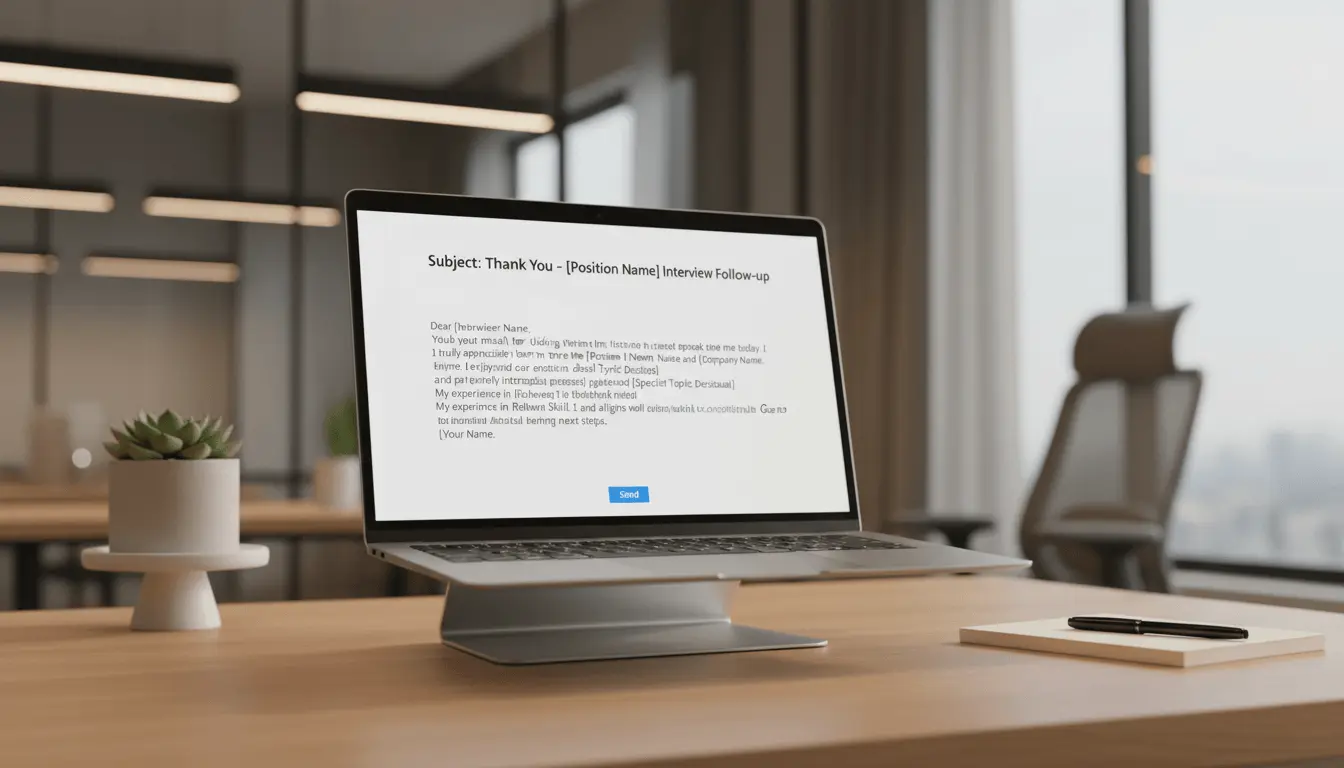
Begin correspondence by acknowledging the person's schedule. A simple statement showing appreciation for the meeting establishes positive rapport.
For instance, a candidate might thank Attorney Smith for taking time to discuss the internship position. Recognizing the organization's work protecting housing rights in Los Angeles shows genuine interest.

Including Personal Details and Key Conversation Points
Reference specific topics from the discussion. Mentioning particular initiatives demonstrates active listening during the conversation.
The Housing Rights Center example illustrates this well. A candidate could note their appreciation for learning about recent tenant protection efforts.
| Message Element | Primary Purpose | Effective Example |
|---|---|---|
| Opening Gratitude | Acknowledge the interviewer's time and establish rapport | "Thank you for taking time meet to discuss the role." |
| Specific Reference | Demonstrate engagement with discussion details | "Your explanation of housing initiatives was particularly insightful." |
| Professional Closing | Invite further communication and express continued interest | "Please contact me if you require additional information for your decision." |
This structured approach ensures the message remains focused and professional. Each component serves a distinct purpose in advancing the candidate's position.
hank you email after interview: Emphasizing Professionalism and Personalization
The distinction between a generic and a compelling follow-up often lies in the strategic blend of professionalism and personal touch. A well-structured message serves as proof of a candidate's ability to communicate effectively. It demonstrates serious intent and respect for the process.
Personalizing the correspondence shows a deep understanding of the specific role. It signals to the hiring manager that the applicant grasps the unique needs of the position. This level of detail helps a professional stand out from others who send impersonal notes.
Maintaining a professional tone ensures interest in the job is conveyed with appropriate respect. Every note should reflect the unique aspects of the discussion. This tailored approach is a powerful tool in a competitive hiring landscape.
Personalizing Your Thank Note to Impress Hiring Managers
Customizing follow-up correspondence to reflect unique conversation details elevates it from obligatory to impactful. This strategic approach demonstrates a candidate's genuine engagement with the specific position. It transforms a standard note into a powerful tool for reinforcing suitability.

Highlighting Specific Job-Related Insights
Referencing particular projects or challenges discussed shows active listening. It proves understanding of the role's core requirements. Articulating how one's skills address those specific needs reinforces candidate fit.
Customizing Tone Depending on the Role and Company Culture
The message's tone should mirror the organization's environment. A formal financial firm expects professional language. A creative agency may appreciate more energetic phrasing.
Adjusting tone based on role seniority is equally important. Consider these examples:
| Company Type | Recommended Tone | Sample Phrasing |
|---|---|---|
| Established Corporation | Formal and respectful | "I value the opportunity to discuss the position's responsibilities." |
| Tech Startup | Dynamic and collaborative | "I'm enthusiastic about contributing to your innovative projects." |
Addressing the hiring manager directly shows respect. Referencing organizational goals demonstrates thorough research. This personalization makes the follow-up a strategic asset.
Incorporating Specific Interview Details and Follow-Up Requests
The follow-up stage is where applicants can transform a good impression into a decisive advantage. This message allows for the inclusion of precise details and polite inquiries that were not possible during the initial meeting.
Clarifying and Expanding on Interview Discussions
A follow-up note is the perfect chance to address any lingering questions. If a topic in the conversation felt unresolved, politely seeking clarification shows thorough engagement.
This approach also provides space to elaborate on one's qualifications. Candidates can add context to their experience that the hiring team might have missed.
Such details bridge the gap between the meeting and the final decision. Proactively supplying this information demonstrates a strong commitment to the job.
It signals to the employer that the candidate is invested in providing all necessary data for evaluation. This thoughtful use of time reinforces a professional image.
Addressing Multiple Interviewers: Individual Versus Collective Thank You Notes
A candidate's approach to thanking multiple participants can significantly influence the hiring team's perception. This scenario is common in panel discussions.
Professionals must decide between sending individual notes to each person or one collective message. Both methods are valid, but the choice depends on context.
Individual Versus Collective Thank You Notes
Jessica Adams faced this choice. She sent a single thank note to Mr. Jones. In it, she acknowledged Mr. Johnson, Ms. Jones, and Mr. Williams at the Housing Rights Center.
This strategy works well when time is limited. It shows respect for every interviewer's contribution. A collective message must name each participant.
| Approach | Best For | Key Action |
|---|---|---|
| Individual Note | Building deep rapport with each interviewer | Reference unique points from your one-on-one conversation. |
| Collective Note | Efficiently addressing a large panel | Mention all people by name and thank the group collectively. |
Referencing specific details from the discussion is crucial. It proves attentiveness to each person's perspective.
Adams highlighted her experience at the Harvard Legal Aid Bureau. This demonstrated her commitment to working with diverse people. Such personalization reinforces fit for the job.
The goal is a consistent, professional tone. Whether writing to one person or many, the message should reflect genuine engagement with the entire interview process.
Common Thank You Email Mistakes and How to Avoid Them
Even the most qualified professionals can undermine their candidacy with simple follow-up errors. Recognizing these pitfalls is the first step toward sending a message that strengthens a candidate's position.
Using an Overly Casual Tone or Format
One frequent error is adopting a tone that is too informal. This can make a professional stand candidates apart in a negative way, appearing less serious than others.
Always address the hiring manager formally unless instructed otherwise. A concise, focused note respects the limited time busy people have.
Delaying the Follow-Up Beyond the Recommended Time
Another critical misstep is waiting too long to send the email. Decisions are often made quickly in the hiring process.
Managers may evaluate other people for the same job within minutes of the final interview. Sending a message by the end interview day signals strong interest.
Avoiding these common errors ensures the follow-up communication supports, rather than hinders, a candidate's success. Prompt, professional correspondence makes a definitive positive impression.
Examples and Templates of Effective Thank You Emails
Practical examples provide a clear roadmap for crafting follow-up correspondence that resonates with hiring teams. These templates serve as a foundation for personalized communication.
They help professionals articulate their value concisely. Using a proven structure saves time and ensures key points are covered.
Sample Email for a One-on-One Interview
Eugene Gatling contacted Mr. Foster at Goliath Industries. His message highlighted a specific fit for the company.
He noted he could start contributing on Day 1. This demonstrated immediate readiness for the job opportunity.
Thanking the manager for taking time to meet is a crucial opening. It sets a respectful tone for the entire conversation.
Sample Email for a Panel Interview
Jennifer Lee contacted Ms. Remington at Goliath Corporation. She provided concrete data to prove her value.
Her example cited an 80% increase in traffic and a 25% jump in sales. Including such metrics makes a note highly persuasive.
For a panel, address the group collectively but mention key people by name. Always look forward to the next steps in the process.
| Email Type | Key Focus | Example Detail |
|---|---|---|
| One-on-One | Personal connection and immediate fit | Eugene's readiness to contribute from Day 1. |
| Panel Interview | Demonstrating measurable impact to the group | Jennifer's data on traffic and sales growth. |
These examples show how to tailor a message. The Career Services office at 415.338.1764 offers more templates.
An important send for any professional is to reiterate interest. It keeps the candidate's name top of mind during final decisions.
Conclusion
Mastering the art of the post-interview follow-up is a definitive step toward securing your desired position. Professionals must make sure to send a thank note promptly. This shows respect for the hiring managers' time and maintains a polished image.
A well-crafted note is important to send. It reinforces your fit for the company and genuine interest in the job opportunity. Taking a few minutes to personalize the message for each person makes a significant difference.
We look forward to seeing you apply these strategies. Every conversation is an opportunity to build a relationship that aids future hiring success. A strong follow-up closes the process with professionalism.
FAQ
Why is sending a follow-up note after a meeting important for a professional's career?
A well-crafted follow-up message demonstrates strong professionalism and genuine interest. It keeps a candidate fresh in the minds of hiring managers, directly impacting their decision-making process. This simple step can distinguish a person from other applicants, showcasing their communication skills and dedication.
How does a thank you note help reinforce the impression made during the conversation?
The note serves as a powerful tool to reiterate a candidate's enthusiasm for the position and the organization. It allows them to highlight a key point from the discussion, proving they were engaged and are a thoughtful fit for the team. This reinforcement can solidify a positive perception before final decisions are made.
What is the ideal window for sending a post-interview thank you message?
Professionals recommend sending your note within 24 hours of the meeting. A prompt follow-up, ideally within the same business day, shows you are responsive and highly interested. For fast-moving hiring processes, sending it within a few hours can be particularly advantageous.
What key elements should be included in a professional thank you email?
An effective message includes a clear subject line, a personalized expression of gratitude for the interviewer's time, and a specific reference to a topic discussed. It should also reaffirm your excitement for the role and your confidence in being a strong match, closing with a polite forward-looking statement.
How can a candidate personalize their note to impress the hiring team?
Personalization involves tailoring the content to reflect the company's specific culture and the role's requirements. Mention a unique insight gained about the team's goals or a project discussed. This shows you've done your homework and are envisioning yourself contributing meaningfully, which resonates deeply with managers.
What is the best way to handle thank you notes when meeting with multiple people?
The most impactful approach is to send individual, customized notes to each interviewer. While it requires more effort, it shows respect for each person's time and contribution. If time is extremely limited, a well-written collective note addressed to the panel is acceptable, but personalized messages are always superior.
What are common mistakes people make with follow-up emails?
Frequent errors include using an overly casual tone with slang or emojis, which undermines professionalism. Another major misstep is delaying the send beyond the 24-hour window, causing the candidate to fade from memory. Always proofread meticulously for spelling and grammar before hitting send.
Are there useful templates for different types of interview situations?
Yes, structured templates for scenarios like a one-on-one meeting or a panel discussion provide a helpful framework. These samples outline the essential components and flow. However, it is crucial to customize any template with your specific conversation details and authentic voice to avoid sounding generic.
🚀 Ready to Ace Your Next Interview?
Practice makes perfect. Try JobWiz Mock Interview Practice — get AI-powered feedback on your answers, build confidence, and walk into your next interview fully prepared.
📚 Related Reading
- Mastering the STAR Interview Technique for Job Success — Structure your answers with the proven STAR framework.
- Top Questions to Ask in an Interview — Make a strong impression by asking the right questions.
- How to Negotiate Your Salary — Secure the compensation you deserve after landing the offer.