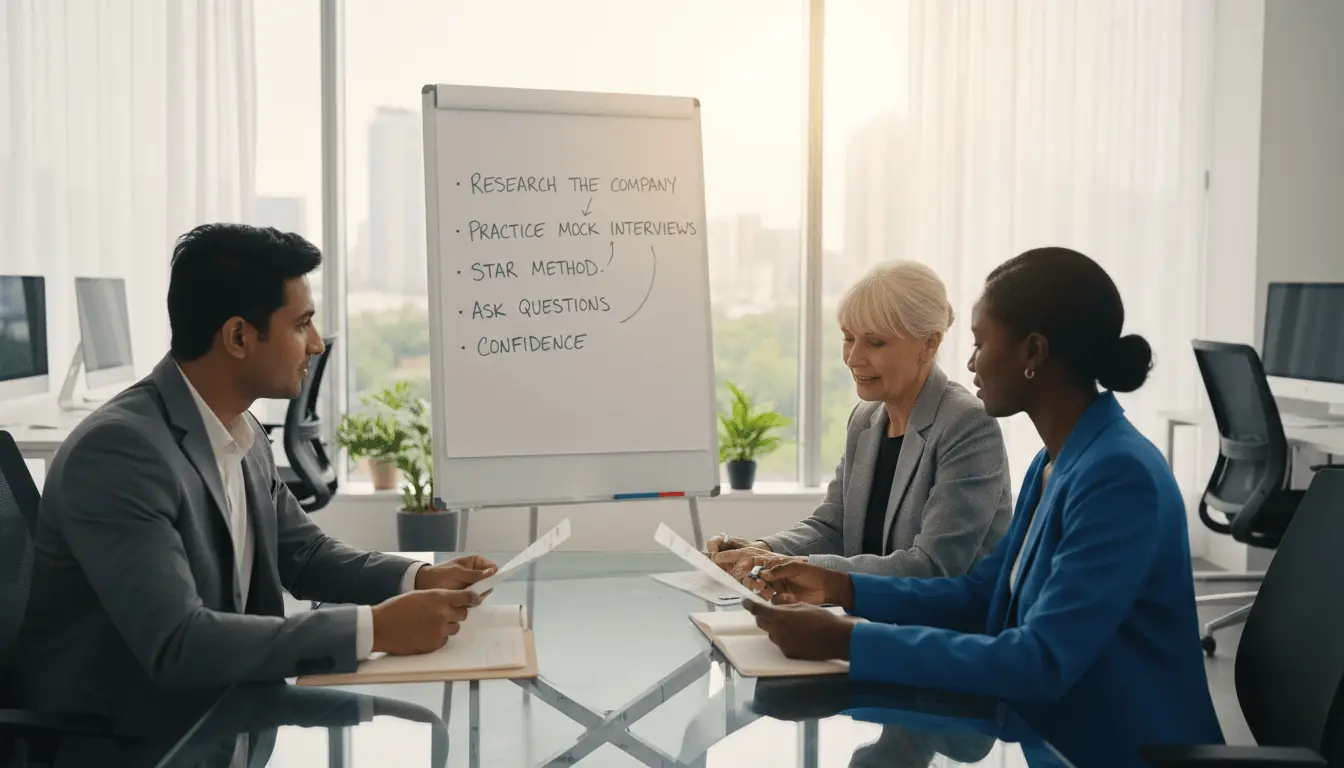

Top Questions to Ask in an Interview
A recent survey revealed that nearly 30% of candidates lose out on job offers because they fail to engage the interviewer with their own inquiries.
This highlights a critical oversight. Many professionals focus solely on delivering perfect answers. They forget that a conversation is a two-way street.
Preparing for a meeting with a potential employer requires more than rehearsed responses. The hiring manager anticipates thoughtful queries that demonstrate genuine curiosity.
Arriving without any prepared inquiries can signal a lack of serious interest. It might suggest the candidate hasn't researched the company or the specific role deeply.
These exchanges serve a dual purpose. They help the candidate assess if the organization aligns with their career goals and values.
Ultimately, the right questions can transform a standard evaluation into a meaningful dialogue. They provide clarity for both parties involved.
Key Takeaways
- Failing to pose your own inquiries can significantly hurt your chances of receiving an offer.
- Thoughtful queries demonstrate genuine interest in the role and company.
- Preparation should include developing topics based on deep research.
- Your questions help you evaluate if the company culture fits your career path.
- Engaging the hiring manager in dialogue shifts the dynamic from interrogation to conversation.
- Having a list of prepared points shows professionalism and initiative.
- The exchange of information is a vital tool for mutual assessment.
The Role of Intelligent Questions in Interview Success
Intelligent questioning transforms a standard screening into a collaborative discussion about mutual fit. Candidates who know how to ask questions effectively set themselves apart during the interview process.
Making a Lasting Impression
Utilizing a curated list of inquiries allows an applicant to demonstrate thorough research. Resources like The Muse highlight a collection of 70 excellent points to explore.
Having this prepared selection helps avoid awkward silence. It shows initiative and professional dedication to the specific job.
Researching the Company Background
Deep investigation into an organization's history and goals informs smarter queries. This approach showcases deep company knowledge and genuine curiosity.
These prepared points reveal interest in the role and the company's future direction. Consequently, the exchange evolves into a meaningful conversation about the job and cultural fit.
Key Considerations for Interview Question Preparation
Mastering the art of inquiry requires not just having a list, but tailoring it to demonstrate deep understanding of the organization. This preparation phase is crucial for showing genuine engagement.
A generic set of points fails to impress. It can even signal a lack of effort. Customization proves a candidate has moved beyond surface-level interest.
Customize Your Approach
Every organization has unique challenges and goals. A prepared list should reflect specific knowledge about the company's recent projects or market position.
This demonstrates thorough research. It shows the candidate views the potential role as a strategic fit, not just any job.
References to recent company news or values make discussions more meaningful. They transform the conversation from generic to specific.
Avoid Common Pitfalls
One major misstep is posing inquiries easily answered by a quick website search. This wastes valuable time and can frustrate the hiring manager.
Candidates should also avoid bringing up salary or benefits too early in the interview process. This can shift focus away from mutual fit and value.
Maintaining a professional tone throughout is essential. The exchange is a two-way street, helping both parties assess alignment.
Ultimately, the goal is to gather information that helps evaluate if the job and company culture support long-term career objectives.
Effective questions to ask in an interview for Career Growth
A strategic dialogue about professional development can reveal if a role offers genuine growth potential. This part of the conversation allows a candidate to evaluate long-term alignment with the organization.
It shifts focus from immediate needs to future aspirations. This demonstrates foresight and serious commitment.
Tailoring Your Questions to the Role
Inquiries must be specific to the open position. Generic points about advancement lack impact.
For example, asking about stretch assignments related to the job's core functions shows deep engagement. It proves the candidate has thought about how to maximize their contribution and growth.
This tailored approach signals investment in the company's success and one's own professional trajectory.
Leveraging Industry-Specific Insights
Using knowledge of market trends and challenges makes a candidate's queries powerful. It shows thorough research and understanding of the business landscape.
Discussing the types of opportunities for advancement within this context is crucial. It helps determine if the organization supports long-term goals.
A prepared list focused on growth helps both parties assess if the partnership is right. This preparation turns a simple meeting into a meaningful planning session.
Probing About the Job Role and Daily Responsibilities
Understanding the practical demands of a role goes beyond the job description. It requires a detailed exploration of daily expectations and upcoming work.
This clarity helps candidates visualize their potential future. It also shows the hiring team a candidate's operational focus.
Understanding Day-to-Day Tasks
Clarifying what a typical day looks like is essential. It reveals the core skills and routines central to the position.
This inquiry demonstrates a candidate's desire to grasp the role's reality. It moves the dialogue from abstract duties to concrete actions.
Clarifying Immediate Projects
Probing for an example of an initial assignment provides critical insight. It highlights the types of tasks and priorities from day one.
Understanding the biggest challenges the team is looking fill is equally vital. It shows how a new hire's skills can support the company immediately.
This knowledge prepares a professional for the first six months. They see how the position will evolve within the organization.
| Focus Area | Sample Inquiry | Key Insight Gained |
|---|---|---|
| Daily Routine | "Can you describe a typical day for someone in this role?" | Understands core workflow and time management needs. |
| Core Competencies | "What are the most critical skills for success here?" | Identifies the essential abilities the company values most. |
| Initial Assignment | "Could you give an example of a first project I'd handle?" | Visualizes the immediate types of work and expectations. |
| Team Challenges | "What is the biggest challenge the team is currently facing?" | Learns the primary problem the new hire is expected to help solve. |
Inquiring About Training, Professional Development, and Career Path
The structure of onboarding and advancement pathways offers a window into organizational values. A candidate's exploration of these areas demonstrates a focus on long-term contribution.
This dialogue moves beyond immediate role fit. It assesses the support system for growing within the company.
Onboarding and Advancement Opportunities
Understanding the initial integration process is crucial. Inquiring about what the onboarding program will look like shows foresight.
It reveals how the organization invests in new employees from day one. This foundation supports skill acquisition and team alignment.
Professional development often includes stretch assignments. These projects allow staff to master new abilities beyond their core duties.
Asking about such development opportunities signals a commitment to growth. It helps a professional visualize their potential career path.
| Development Aspect | Sample Inquiry | Primary Purpose |
|---|---|---|
| Onboarding Process | "What does the initial training program look like for new hires?" | Understand support for role integration and cultural assimilation. |
| Skill Enhancement | "Are there stretch assignments available to learn new skills?" | Gauge hands-on learning and challenge opportunities. |
| Career Progression | "How does the company define a clear career path for this position?" | Assess long-term growth potential and advancement timelines. |
This clarity helps determine if the position offers the desired trajectory. Evaluating these factors is key for mutual long-term success.
Evaluating Success: Asking About Performance Metrics and Feedback
A candidate's inquiry into performance metrics signals a focus on results and accountability. This dialogue clarifies how the company defines achievement in the position.

It moves the conversation from hypotheticals to tangible expectations. Understanding this evaluation framework is crucial for mutual alignment.
Setting 30-60-90 Day Goals
Establishing clear initial objectives is a standard practice. The 30-60-90 day framework provides a structured path for new hires.
Candidates should make sure to understand what these early goals look like. This knowledge outlines the immediate performance roadmap.
| Timeframe | Primary Focus | Expected Outcome |
|---|---|---|
| First 30 Days | Learning systems and team dynamics. | Integration and foundational understanding. |
| First 60 Days | Contributing to active projects. | Initial independent impact and collaboration. |
| First 90 Days | Owning core responsibilities. | Measurable results and process improvement. |
This clarity helps a professional visualize their first months. It sets the stage for long-term success.
Understanding the Review Process
Probing the formal feedback process is equally important. It reveals how the company supports development and measures progress.
Understanding the review cycle shows how employees are evaluated. This insight helps align personal career path goals with organizational expectations.
Frequent feedback creates opportunities for continuous improvement. It ensures the position supports both job satisfaction and performance growth.
Gaining Insight into the Hiring Manager and Team Culture
Assessing team culture requires insight into how a manager guides their people. Understanding a future boss's managerial style is crucial for evaluating the work environment.
When candidates inquire about the manager, it demonstrates interest in the individuals they will collaborate with. This engagement shows investment in the human dynamics of the company.
Understanding Managerial Style
Thoughtful inquiries can uncover the biggest challenges the group faces. This helps a professional grasp what the team seeks in a new member.
Requesting the hiring manager describe their approach provides direct insight into the company culture. It reveals how leadership influences daily operations and morale.
Exploring how the unit has evolved over the past six months offers a window into its dynamics. This discussion highlights the people involved and their adaptability.
This knowledge is vital for evaluating the job fit. It determines if the position aligns with one's preferred work style and values.
Delving into Company Values and Growth Prospects
Evaluating a potential employer extends beyond the job description to include its foundational beliefs and future direction. This exploration reveals whether an organization's long-term vision aligns with a professional's own development goals.
Researching company values ensures personal ambitions match the organization's core purpose. It is a critical step for mutual long-term success.
Exploring the Company Vision
Understanding a company's stated mission is just the start. Candidates should seek to learn how these principles manifest in daily decisions and employee treatment.
This insight into the operational culture helps assess genuine fit. It shows whether the environment supports professional and personal growth.
Probing Future Initiatives
Inquiring about strategic plans for the next few years demonstrates serious investment. It shifts the conversation from immediate needs to shared future achievements.
These discussions highlight how a new hire's career can contribute to the organization's expansion. They reveal concrete opportunities for impact and advancement.
| Area of Inquiry | Sample Question | Primary Insight Gained |
|---|---|---|
| Core Values in Action | "How are the company's core values reflected in recent team decisions?" | Understands the practical application of stated principles and cultural integrity. |
| Strategic Growth Direction | "What are the organization's key growth objectives for the next two years?" | Learns the company's priorities and identifies potential areas for personal contribution. |
| Innovation and Adaptation | "How does the company plan to adapt to major trends in our industry?" | Assesses forward-thinking mindset and long-term stability in a changing market. |
This structured approach provides clarity on alignment. It helps professionals make informed decisions about their next career move.
Uncovering the True Culture: Work Environment and Social Dynamics
Beyond policies and perks, the genuine character of an organization is found in how its people connect and collaborate day-to-day. This environment directly shapes employee satisfaction and team effectiveness.

Probing these social dynamics provides a clear window into the lived experience of a role. It helps a candidate visualize their fit within the team.
Team Bonding Activities
Regular social events are a great example of intentional culture building. They help people form bonds that improve communication and trust.
Inquiring about these activities reveals how the company values its employees. It shows if fostering genuine connection is a operational priority.
Remote and Hybrid Work Considerations
Modern work often involves flexible arrangements. Understanding how a team handles remote and hybrid setups is vital for grasping the company culture.
This insight shows how collaboration and camaraderie are maintained. It reveals the opportunities for inclusion regardless of location.
Asking how the team would describe interaction during a typical day is crucial. The answer clarifies if the job supports your preferred work style and need for social contact.
Questions About the Interview Process and Next Steps
The final phase of a meeting should focus on procedural clarity to ensure a smooth transition for all involved. This proactive approach leaves a strong, organized impression.
It is wise to seek specific details about the hiring process. Understanding the timeline helps manage expectations after the conversation.
Clarifying the Interview Timeline
Candidates should make sure they understand the schedule for decisions. A direct inquiry about when feedback is expected shows professionalism.
Asking about the next steps is equally important. It reveals if there are further meetings or assessments required for the position.
Before concluding, a professional can offer to provide additional materials. Asking if there is anything else the company needs demonstrates helpful initiative.
This clarity benefits everyone. It shows continued interest and a respectful approach to the company's decision process.
Knowing the next steps allows a candidate to plan their job search effectively. It turns the post-interview period from uncertain waiting into informed preparation.
Smart Interview Questions to Ask Your Future Boss
Engaging a future boss with thoughtful dialogue reveals critical insights into daily operations and team expectations. This part of the conversation moves beyond assessing role fit to evaluating leadership compatibility.
Strategic interview questions directed at a manager demonstrate foresight. They show a candidate's investment in understanding the human element of the job.
Learning Managerial Approaches
Using smart questions to explore a manager's style clarifies what a typical day will look like. This inquiry reveals how they prioritize tasks and support their team.
It signals a professional's readiness to work hard and integrate smoothly. This approach shows a desire to contribute to company success from the start.
Identifying Role Challenges
Requesting an example of a challenge faced in recent years is powerful. It provides direct insight into the biggest challenges inherent to the position.
Inquiring how a manager would describe team dynamics adds another layer. This helps a candidate grasp the work environment and their potential future role.
This knowledge is vital for long-term career planning. It ensures alignment between personal goals and the team's daily reality.
Conclusion
The culmination of a successful interview lies in the strategic exchange of information that benefits both candidate and employer.
Preparing thoughtful inquiries is the best way to show genuine interest in the company and the role.
Remember that this dialogue is a two-way street designed to help you evaluate if the position fits your goals.
By engaging in insightful conversation, you leave a lasting impression and gain valuable insights about the company.
Before concluding, ensure you have addressed anything else necessary to clarify your understanding.
Use these approaches to navigate your next interview with confidence and professionalism as you advance your career.
FAQ
How can I learn about the day-to-day tasks for this position?
To understand daily responsibilities, inquire about the primary activities during a typical week. Ask about the balance between collaborative projects and independent work. This helps you visualize the role and assess if your skills are a good match for the actual duties.
What does professional development look like here?
Strong companies invest in their employees' growth. You should ask about specific training programs, mentorship opportunities, or tuition assistance. Understanding the available resources shows you are serious about building a long-term career and contributing to the organization's success.
How is success measured in this role during the first six months?
It's smart to discuss key performance indicators early. Ask what goals a new hire should achieve in their first 30, 60, and 90 days. This clarifies expectations and demonstrates your focus on delivering results and integrating quickly into the team.
Q: Can you describe the team's culture and how you collaborate?
This query reveals the work environment's social dynamics. Listen for mentions of regular team events, communication tools like Slack or Microsoft Teams, and how hybrid work is managed. The answer provides insight into whether the culture aligns with your preferred working style.
What are the biggest challenges the team is currently facing?
This forward-thinking question moves beyond the job description. It shows you're already considering how to add value. The response will help you understand immediate team priorities and the potential obstacles you might help overcome.
How would you describe the company's management style?
Gaining insight into your potential boss's approach is crucial. Ask about their philosophy on feedback, autonomy, and support. Learning if they favor weekly check-ins or a more hands-off style helps you determine if it's a good managerial fit for your career path.
What does the interview process timeline look like?
It's professional to ask about next steps. Inquire about the number of interview stages, key decision-makers involved, and the expected timeframe for a hiring decision. This shows you are organized and genuinely interested in the opportunity.
🚀 Ready to Ace Your Next Interview?
Don't just prepare questions — practice your entire interview. JobWiz Mock Interview Practice gives you realistic AI-powered sessions with instant feedback to sharpen your skills.
📚 Related Reading
- Mastering the STAR Interview Technique for Job Success — Learn the proven framework for answering behavioral questions.
- How to Write a Compelling Thank You Email After an Interview — Follow up professionally and leave a lasting impression.
- Mastering the Job Interview — A complete guide to interview preparation and success.