
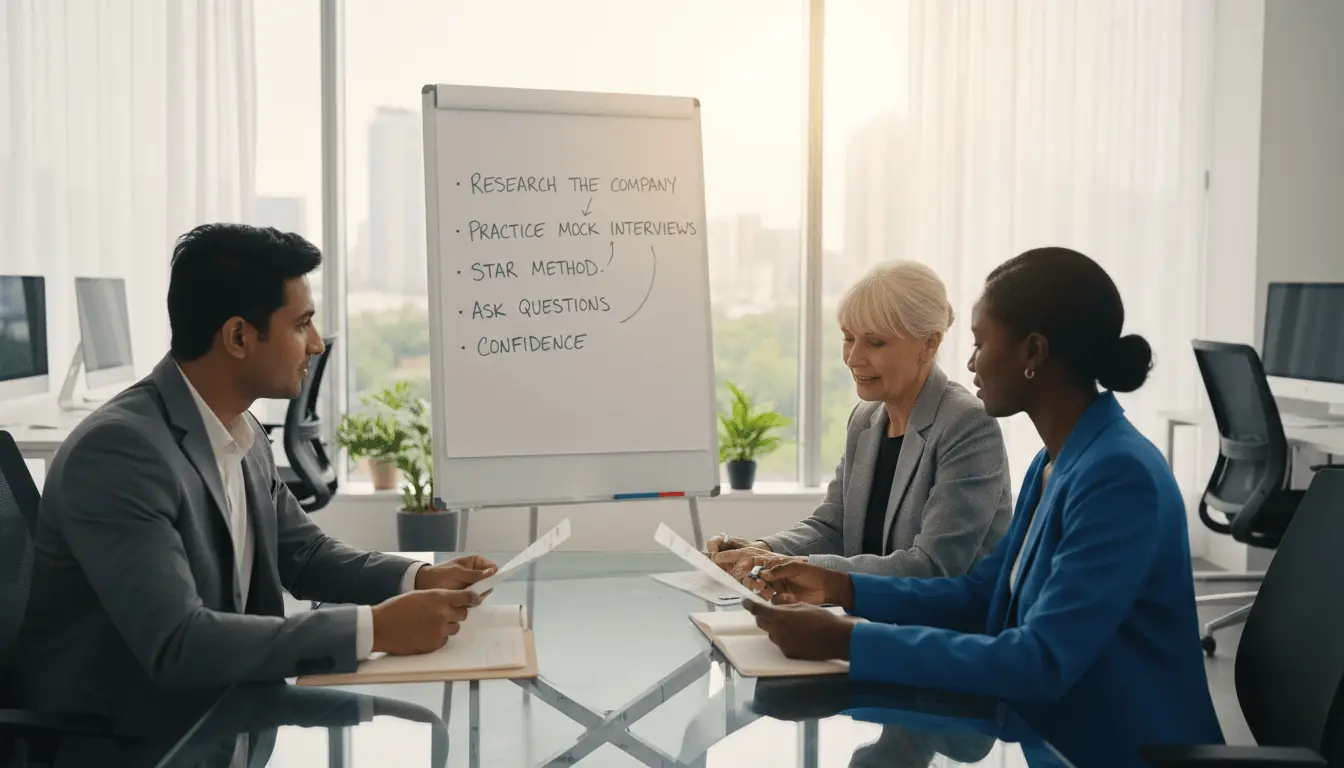
Mastering the Job Interview: Strategies & Common Questions
Did you know many recruiters in India form a lasting impression within the first seven seconds of a job interview? This startling fact highlights the immense pressure of these decisive meetings.
An interview is a critical opportunity. Candidates showcase their qualifications, personality, and communication abilities. They must also demonstrate a strong cultural fit with the potential employer.
True preparation goes far beyond rehearsing answers. It requires building a complete set of skills. This includes company research, polished self-presentation, and strategic thinking.
These conversations are a two-way evaluation for both parties. While employers assess a candidate's suitability, individuals also gauge if the role aligns with their career goals. This mutual assessment is crucial.
Success in the competitive job market hinges on several factors. Depth of preparation, response clarity, and demonstrating both technical and soft skills are all vital components.
The encouraging truth is that excelling in interviews is a learnable skill. Dedicated practice and the right strategies can dramatically improve outcomes for any professional.
This guide provides actionable steps. It covers practical preparation, frameworks for answering tough questions, and techniques for demonstrating value confidently.
Key Takeaways
- First impressions in a professional interview are formed extremely quickly.
- The process is a two-way evaluation for both the candidate and the company.
- Effective preparation requires comprehensive skills beyond memorized answers.
- Success depends on preparation depth, clear communication, and demonstrated abilities.
- Interview performance is an improvable skill set, not an innate talent.
- Practical frameworks and strategies can help navigate the process with confidence.
Preparing for Your Interview
The difference between a good candidate and a great one often lies in the depth of their pre-interview research. This foundational step builds confidence and allows for genuine, informed conversation.
Researching the Company and Role
Effective preparation starts with a thorough research company effort. Go beyond the website's "About Us" page. Examine recent news, social media activity, and employee reviews on platforms like Glassdoor.
Understand the firm's mission, values, and culture. This information helps answer why you want to work there. Analyze the specific job description closely.
Identify key responsibilities for the role. Then, match your skills to those requirements. This shows you understand the position.
Crafting Your Personal Narrative
Next, connect your background to the company's needs. Develop a clear story linking your past achievements to future goals at the organization.
This narrative demonstrates how you fit. It turns a generic answer into a compelling reason for hiring you. Always tailor this story for each specific job application.
Mastering the Job Interview: Strategies & Common Questions
While every conversation is unique, recruiters often rely on a core arsenal of queries to evaluate potential hires thoroughly. Understanding these frequent questions and how to structure your answers is a critical skill.
https://www.youtube.com/watch?v=LtDj0g5Dptg
These common interview topics generally fall into distinct categories. Candidates encounter self-introduction prompts, motivation and fit questions, behavioral scenarios, and future-oriented career discussions.
Common Interview Questions Overview
Each category serves a specific purpose for the employer. Questions about past challenges assess problem-solving ability. Queries about your future plans evaluate long-term alignment with the role.
The goal is to gauge genuine interest, professionalism, and cultural fit. Effective candidates tailor their examples to match the specific skills the employer seeks.
Effective Answer Techniques Using the STAR Method
A powerful framework for structuring behavioral answers is the STAR method. This acronym stands for Situation, Task, Action, and Result.
Using this technique ensures responses are organized and impactful. It demonstrates not just what was done, but how a candidate's thinking led to a positive, measurable outcome.
Effective Communication and Body Language
Non-verbal cues often speak louder than words during professional evaluations. A candidate's communication skills and physical presence create an immediate impression. This blend of verbal and non-verbal language is crucial for success.
Clear verbal exchange requires attention to tone and pace. Avoid excessive jargon. Keep answers concise yet informative. Active listening is equally vital. Process each question fully before responding.
Techniques for a Confident Introduction
A strong start sets a positive tone. Follow these steps when meeting an interviewer:
- Put your phone away while waiting.
- Smile and offer a firm handshake.
- State your full name with a confident tone.
- Make regular eye contact.
Once the interviewer introduces themselves, respond warmly using their name. Mention the role title to confirm alignment. This shows preparedness and respect.
Body language sustains that initial connection. Maintain good posture throughout the conversation. Offer confident handshakes. Sustain appropriate eye contact without staring.
Practice common queries with friends or family. Recording yourself can reveal areas for improvement in delivery and physical cues. Refining these skills builds genuine confidence for any professional interview.
Leveraging the STAR Method for Success
A proven framework for answering behavioral questions can turn anxiety into confidence. The star method provides this structure. It guides candidates to deliver organized, impactful responses.
Understanding the STAR Framework
This method breaks responses into four parts. First, describe the situation briefly. Set the context without extra details.
Next, explain the specific task or challenge you faced. Clarify your role and objectives.
Then, detail the action you took. Focus on your personal steps and decisions.
Finally, share the result. Use numbers to show your impact clearly.
| Component | Description | Key Tip |
|---|---|---|
| Situation | Sets the background context for the story. | Keep it brief and relevant. |
| Task | Defines your specific goal or problem. | State your responsibility clearly. |
| Action | Details the steps you personally took. | Use active verbs to show initiative. |
| Result | Shares the measurable outcome achieved. | Quantify with percentages or time saved. |
Real-Life STAR Examples from Career Achievements
Good examples come from professional experience. Consider a project where you improved a process.
Situation: Team email response times were slow. Customer satisfaction was falling.
Task: As lead, the goal was to cut response times using existing staff.
Action: I analyzed workflows and introduced a new ticket system. I also trained the team on new templates.
Result: Response times dropped to under four hours. Satisfaction scores rose by 40%.
Prepare several such stories before your meeting. This method makes your answers strong and memorable.
Handling Behavioral and Situational Questions
Navigating questions about weaknesses and failures requires a balance of honesty and strategic framing. These queries are designed to evaluate past experience and predict future performance.
Employers use them to assess problem-solving, resilience, and self-awareness. Candidates must prepare thoughtful responses.
Discussing Weaknesses and Challenging Situations Constructively
When an interviewer asks about a weakness, be truthful but proactive. Immediately explain the steps taken for improvement.
For example, if managing project time is difficult, describe creating detailed schedules at the project's start. This shows learning and initiative.
Select challenging situations that had positive resolutions. Good examples include tight deadlines or resolving team conflicts. Avoid controversial topics.
| Situation Type | Problem Focus | Constructive Framing |
|---|---|---|
| Impossible Deadline | Time pressure and scope | Explain prioritization and team communication skills used. |
| Interoffice Conflict | Team dynamics and morale | Detail mediation efforts and the peaceful resolution reached. |
| Lost Client Account | Business impact and relationships | Focus on analysis of causes and new strategies implemented. |
If there is a gap in work history, explain it positively. Discuss networking, upskilling, or volunteering done during that time.
When discussing why a past job ended, keep the tone professional and forward-looking. The interviewer seeks maturity and accountability.
Stay calm when a tough question arises. Pause briefly to gather thoughts. Frame every experience as a lesson that improved your professional approach.
Demonstrating Cultural Fit and Professionalism
Beyond technical skills, modern employers place immense value on finding a candidate who seamlessly integrates into their workplace environment. This alignment with company culture and values is a critical component of professional fit.

Professionals can showcase this compatibility by sharing stories that highlight collaborative team experiences. They should connect their own work style to the organization's mission.
Tailoring Questions to Reflect Your Interest in the Company Culture
The closing part of a discussion is a prime opportunity. When invited to ask questions, a candidate's queries reveal deep interest and prior research.
Prepare insightful questions in advance. Good examples include asking about a typical day in the role or what excites current employees about the company culture. Inquire about how success is measured in the position.
This genuine enthusiasm and curiosity leave a lasting positive impression. It shows the candidate views the interview as a two-way conversation about mutual fit.
Conclusion
The journey to securing a desired role culminates in the final impression left with potential employers. Excelling in these critical meetings combines thorough preparation, clear communication, and demonstrating cultural fit. This blend of skills directly impacts one's career trajectory and professional growth.
Remember, every interview is a two-way evaluation. While employers assess suitability for the position, candidates should also gauge if the company culture and growth opportunities align with their personal goals. This mutual assessment is key to long-term success.
View each meeting as a valuable learning experience, regardless of outcome. Reflect on your performance afterward. Identify what went well and areas for improvement. This feedback refines your approach for future opportunities.
Post-interview professionalism is crucial. Send a personalized thank-you email within 24 hours. Reference a specific discussion point to jog the interviewer's memory. Reiterate your genuine interest in the role.
With dedicated practice and continuous refinement, these strategies build genuine confidence. Interview excellence is a learnable skill set, empowering professionals to navigate the job market and achieve their aspirations.
FAQ
How important is researching a company before an interview?
It is extremely important. Thorough research shows genuine interest and initiative. It allows a candidate to tailor their answers, ask insightful questions, and demonstrate how their skills align with the organization's specific goals and culture. This preparation can set them apart from other applicants.
What is the best way to structure answers to behavioral questions?
The most effective technique is the STAR method. This framework helps organize a clear, concise story by outlining the Situation, the Task at hand, the Action taken, and the positive Result achieved. It provides employers with concrete evidence of a candidate's abilities and problem-solving skills.
How should someone discuss a weakness or past professional mistake?
The key is to be honest and constructive. Choose a real area for growth, not a disguised strength. Briefly state the weakness, then focus on the specific actions taken to improve. This shows self-awareness, a commitment to professional development, and resilience—all valuable traits to employers.
Why is body language significant during the meeting?
Non-verbal cues communicate confidence and engagement. Maintaining good eye contact, a firm handshake, and sitting upright projects assurance. Positive body language reinforces a candidate's verbal messages and helps build a strong connection with the interviewer, making a memorable impression.
What type of questions should a candidate ask at the end?
Prepare questions that show deep interest in the role and the company's future. Ask about team dynamics, key challenges for the position, opportunities for growth, or how success is measured. This shifts the dynamic from being interviewed to having a professional conversation, highlighting strategic thinking.
How can an applicant demonstrate they are a good cultural fit?
They can reflect the company's stated values in their answers. Discussing past experiences where they thrived in similar environments helps. Showing enthusiasm for the organization's mission and asking questions about culture and team collaboration signals a strong potential fit beyond just technical skills.
🚀 Take Action with JobWiz
AI Mock Interview — Practice with realistic AI-powered mock interviews tailored to your target role. Get instant feedback on your answers. Try it free →
📚 Related Reading
- How to Write a Winning Resume — A strong resume gets you to the interview stage.
- Mastering Salary Negotiation — What comes after you ace the interview.
- Crafting a Standout Cover Letter — Complete your application toolkit.